
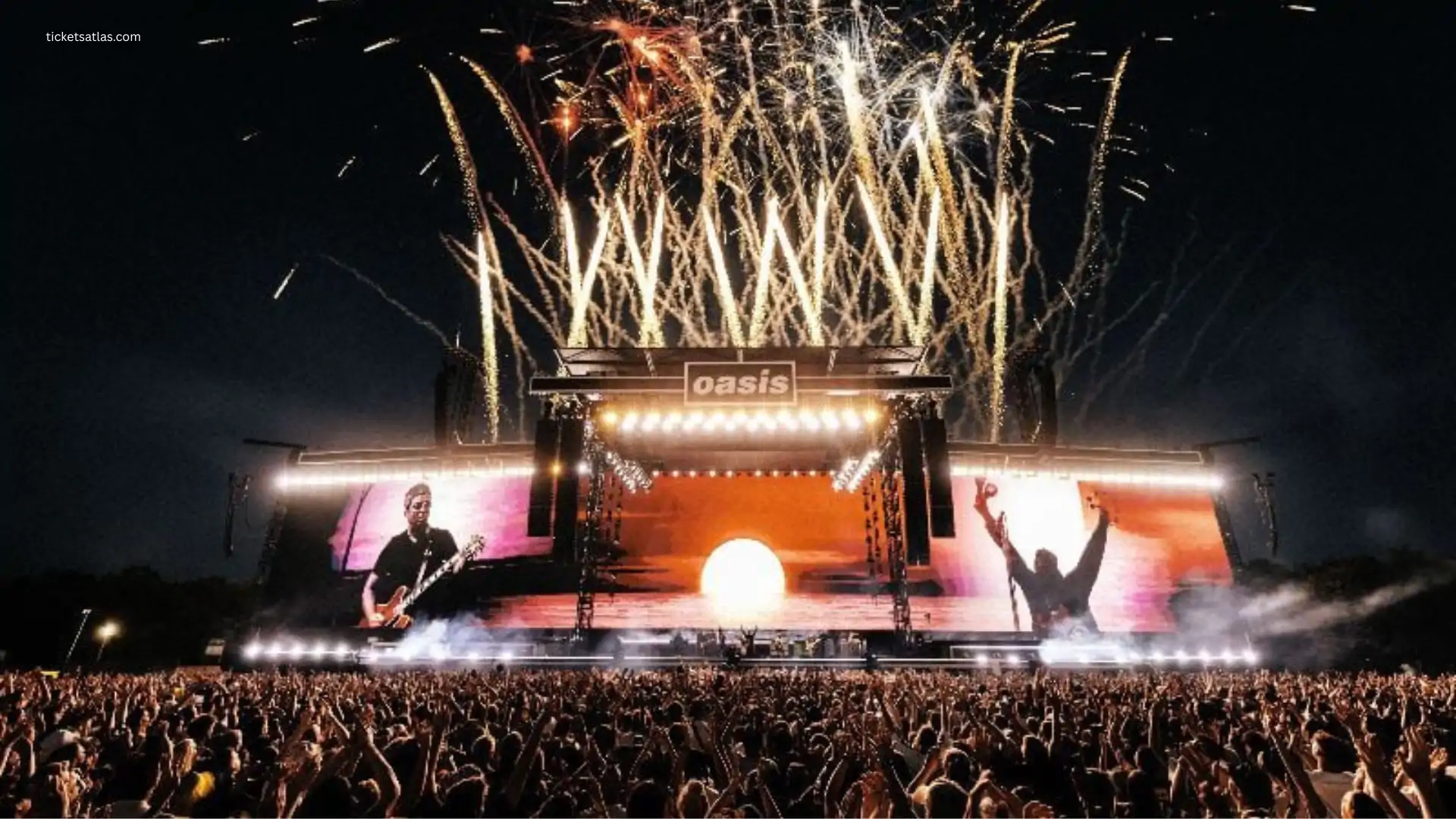
Oasis Live ’25, 14 Months in Secret
- 1 Oasis Live ’25 wasn’t improvised – the reunion tour was in pre-production for 14 months before fans ever heard a word about it.
- 2 Across 41 shows on five continents, the band rolled out record-breaking screens, full stadium staging and a global routing built like a pop-era supertour.
- 3 Liam and Noel kept public distance while quietly aligning behind the scenes, then delivered what many critics called their strongest live era since the 1990s.
- 4 The São Paulo finale felt less like an ending and more like a launchpad, with hints that Oasis’ next chapter would define the 2027 touring calendar, confirmed on 14 September 2025, when the band announced Oasis Live ’27.
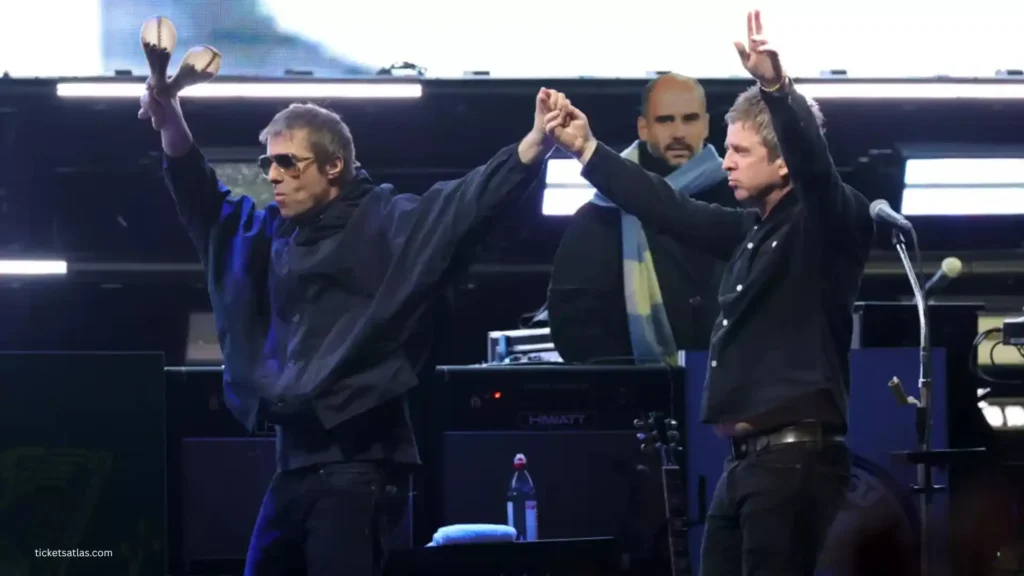
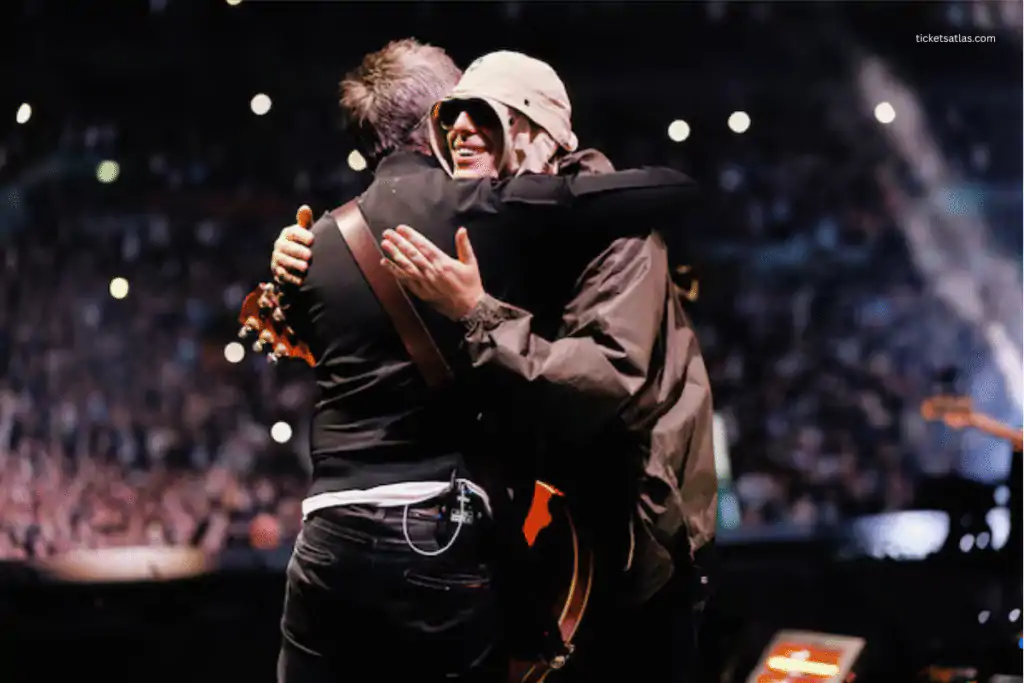
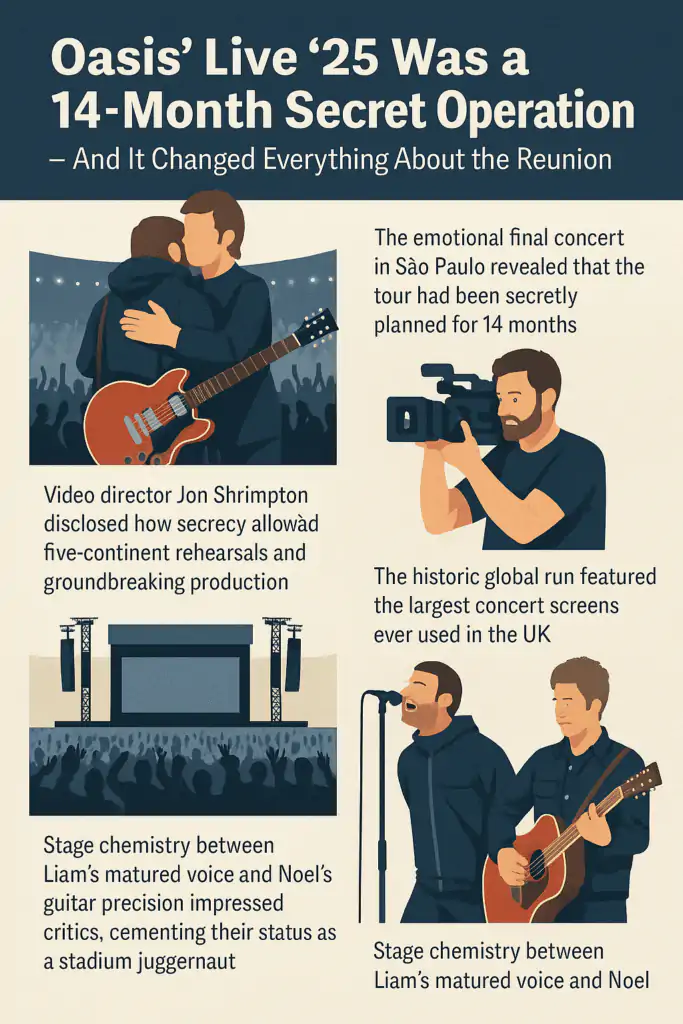
On the final night in São Paulo, the noise inside Allianz Parque felt less like the end of a tour and more like the end of an era. When Liam and Noel Gallagher met at center stage for a brief hug, a gesture unthinkable just two years earlier, the stadium erupted. Tens of thousands of fans from across Brazil drowned the band in one long, cathartic roar. It was an emotional finale to a reunion most believed would never happen.
Then came the real shock.
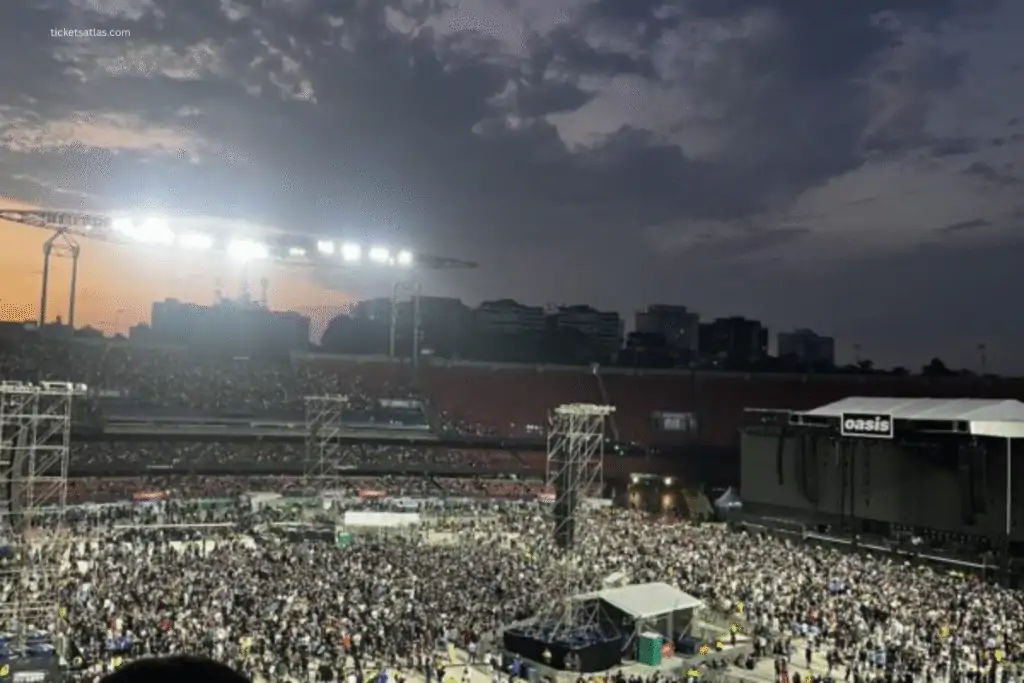
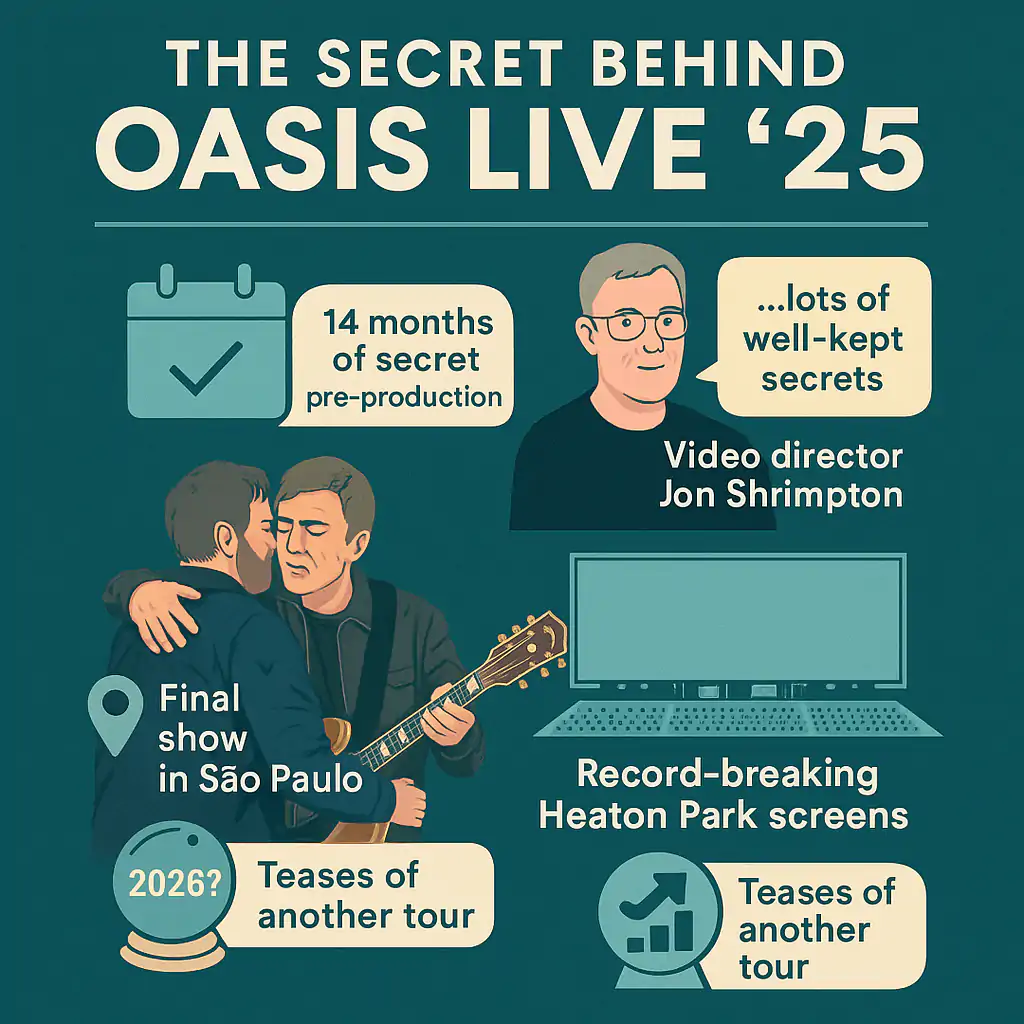
Within hours of the show ending, Oasis’ live video director and designer Jon Shrimpton revealed that Live ’25 had been in pre-production for 14 months. The reunion wasn’t a spontaneous miracle. It was a carefully engineered global operation involving secrecy, long-range planning and a crew of hundreds working quietly across continents.
For a band that built its mythology on chaos, the revelation reframed the entire comeback.
Oasis Live ’25 had not just succeeded. It had been strategically constructed for over a year to guarantee it would.
And now, after the final bow in São Paulo, the question hanging over the band is no longer whether the reunion is over, but how soon the next chapter will begin.
A Global Comeback Built in Silence
Shrimpton’s behind-the-scenes account landed like a thunderclap across Oasis forums and social media. He described Live ’25 as a project that required “lots of well-kept secrets” and a level of detail rarely attempted by a returning band.
Once you understand the scale, the secrecy makes sense.
Live ’25 at a Glance
You simply can’t rehearse an Oasis reunion in the open.
Shrimpton explained that by the time rehearsals began in May 2025, with Liam joining in June, the design, visual assets, screen programming, camera plotting, and stadium layouts were already locked in. According to industry sources, initial plans were in motion by early summer 2024, long before either Gallagher publicly hinted at peace.
This timing has fans re-examining the band’s media comments across 2023 and 2024. Liam’s insistence that the brothers hadn’t spoken in a decade. Noel’s off-hand “call me” remark. Every clipped interview now looks different through hindsight.
As one fan joked online: “Turns out they were rehearsing while telling us they weren’t talking.”
The secrecy wasn’t deception. It was part of the design, a controlled operation protecting the biggest British rock return since Knebworth.
The Technical Scale: Stadiums Rebuilt for Oasis
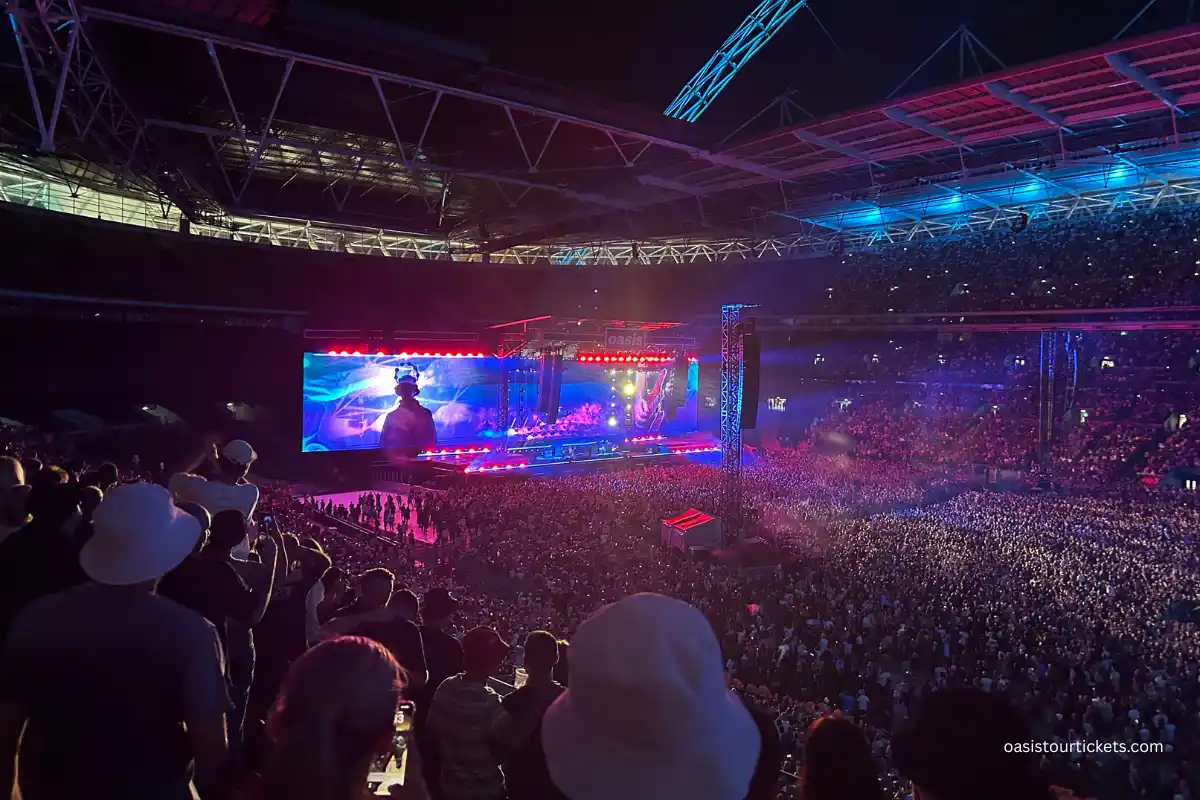
If Live ’25 felt larger than a typical reunion, that’s because it was engineered to be one of the most ambitious rock tours in recent memory.
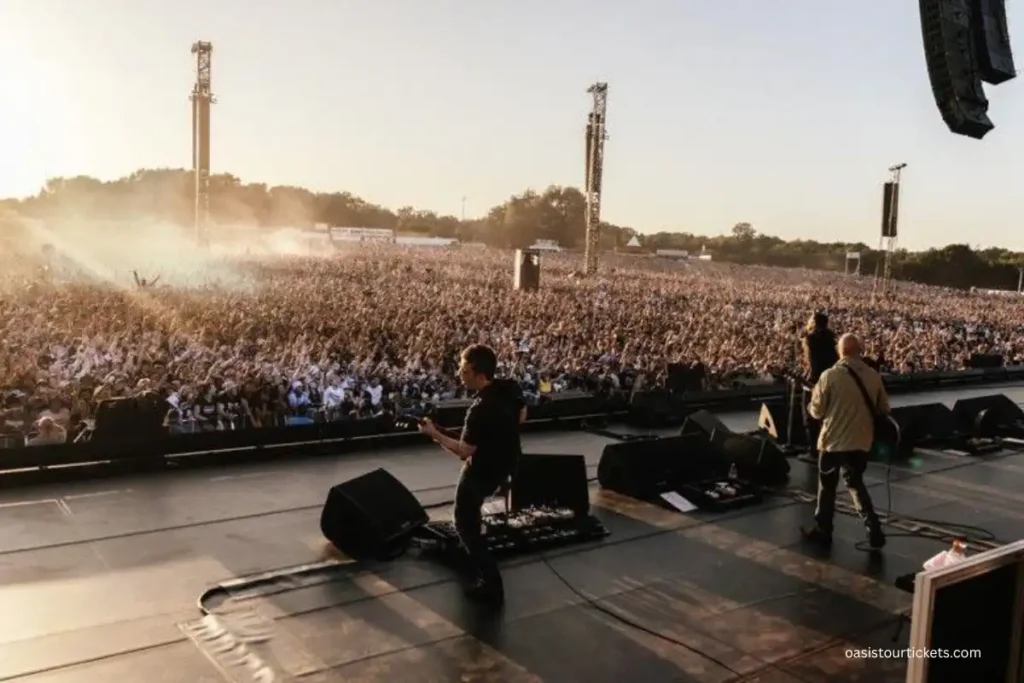
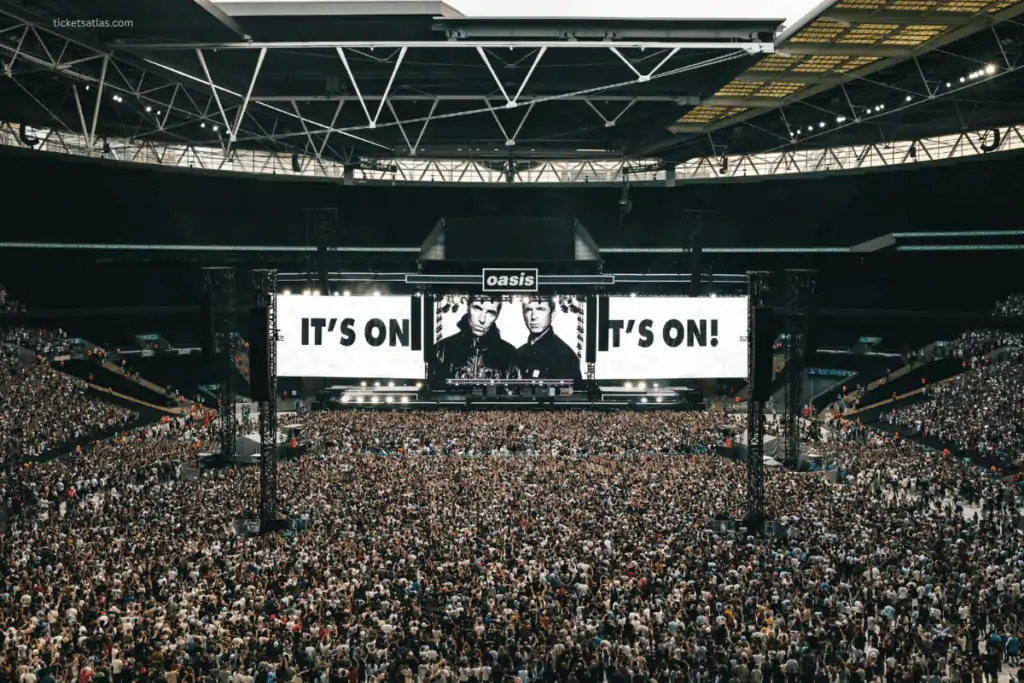
Shrimpton revealed that the screens at Manchester’s Heaton Park, a staggering 84m x 12m, were roughly 20 meters wider than those used at the opening shows in Cardiff. It made them the largest concert screens ever installed for a UK show, surpassing even major pop tours.
Across Wembley, Sydney’s Accor Stadium, Mexico City, Chicago, Melbourne, Dublin and São Paulo, the production team designed venue-specific configurations to maintain Oasis’ signature density: grainy camcorder textures, psychedelic overlays, Britpop iconography, and footage from the band’s 90s heyday.
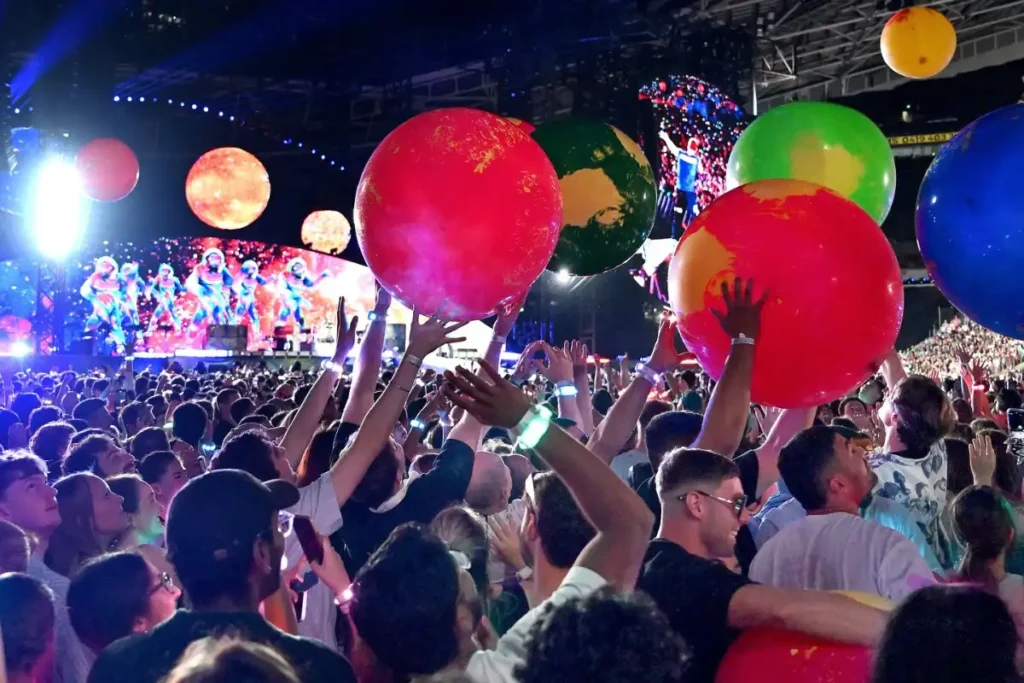
According to crew sources, Live ’25 used:
• 30+ stadium camera positions
• custom-built screen content for every city
• a full touring video village
• live color grading inside the stadium
This wasn’t just a tour. It was a restoration, a reintroduction of Oasis to a stadium scale that hadn’t existed in the 90s.
Liam & Noel: The Chemistry Everyone Missed
For all the technical achievements, the emotional pull of Live ’25 came down to one thing: the surprising, undeniable chemistry between the Gallaghers.
Fans entered 2024 believing the brothers’ relationship was still fractured. Liam’s public barbs. Noel’s refusal to discuss reconciliation. The dry jokes. The guarded interviews.
Shrimpton’s revelation reframed all of it.
If the tour had been in pre-production for 14 months, the Gallaghers were already working together long before the public saw any signs of thawing.
Reviewers across the UK, Europe and Australia observed a dynamic that felt more aligned than combative: Noel guiding the band’s musical architecture; Liam commanding the front line with a sharper, more disciplined vocal stance shaped by his 2025 solo run.
The São Paulo hug did not look like theatrics. It looked like the quiet confirmation that the reunion was not an accident. It was a partnership.
Was the Reunion Planned Long Before the Announcement?
Yes. The 14-month timeline confirms that Oasis Live ’25 was being built long before the band acknowledged any reconciliation publicly.
Industry insiders now believe early discussions began as far back as late 2023, with contracts solidified in early-to-mid 2024.
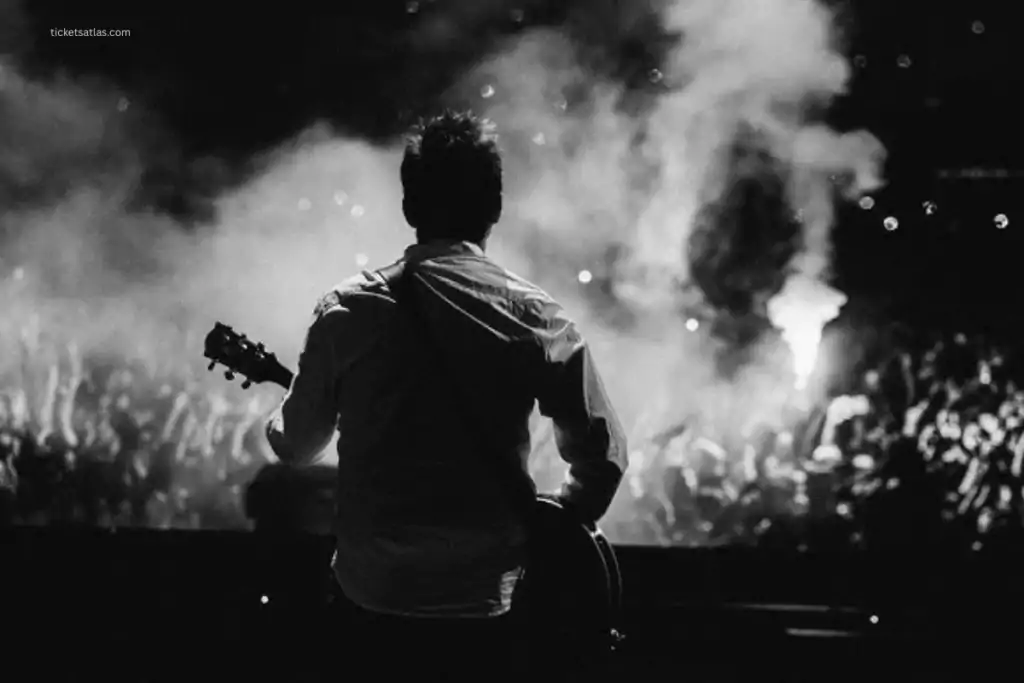
Did Liam and Noel Secretly Reconcile Months Before Rehearsals?
Almost certainly. The level of coordination required for a 41-date global stadium operation would have been impossible without direct communication. Several 2025 moments, Noel praising Liam during summer shows, Liam dedicating “Half the World Away” to his brother, now appear less spontaneous.
Was Live ’25 a Success?
On every measurable front, yes. Attendance, merchandise demand, global press sentiment, streaming spikes and touring revenue all exceeded pre-tour projections. Live ’25 became one of the most commercially successful reunions ever staged by a British band.
Why the Secrecy Mattered
You don’t announce a reunion like this early.
The modern touring economy demands:
• locked stadium holds
• multi-continent negotiations
• confidentiality clauses
• staggered reveal strategies
• production prototypes tested off-site
If even one email leaks, the entire global plan collapses.
Live ’25 required silence not as manipulation, but as protection. For a band whose every rumor trends worldwide, secrecy was the only way to build something this large.
And it worked.
When Oasis finally announced the reunion in 2025, it hit like a cultural earthquake because virtually no one, not fans, not press, not even industry veterans, knew the machinery had been running for over a year.
Fans Re-reading the Signs
The Shrimpton reveal sent fans back through:
• Old interviews
• 2025 podcast clips
• Liam’s teasing tweets
• Tabloid speculation
• Offhand comments about the brothers “not speaking”
The reinterpretation has been instant.
What once sounded like ongoing hostility now reads like coordinated misdirection. Not malicious, just necessary theatre to preserve the shock value.
Liam’s “See you next year” at Wembley suddenly doesn’t feel like a throwaway line.
Nor does “It’s not even half-time” in Australia.
Fans now believe the brothers were hinting far earlier than anyone realised.
Oasis Are No Longer a Nostalgia Act
One of the most significant outcomes of Live ’25 is the way promoters, agents and international markets now classify Oasis.
They are not a legacy band. They are an active stadium force.
The tour:
• Broke several venue merchandise records
• Triggered catalogue surges across Spotify, Apple Music and YouTube
• Caused travel-driven ticket demand in the UK, Australia and South America
• Repositioned the Gallaghers as major touring headliners, not anniversary acts
For promoters in the UK, Europe, North America and Australia, Live ’25 was not a victory lap. It was a market test.
And Oasis passed it with ease.
2027: The Second Chapter Begins
Liam has fuelled speculation with:
• “See you next year.”
• “It’s not even half time.”
• “We need to sit down and discuss these things.”
• “I know things you don’t know.”
• Teasing setlists for future shows.
His comments from Sydney, “See you again”, and from Brazil, “We’ll see you again sometime”, have only intensified expectations.
Meanwhile, rumors continue to swirl around:
• A potential return to Knebworth
• A homecoming run at Etihad Stadium
• Additional Wembley dates
• European routing already in preliminary discussions
Even UK government sources accidentally hinted at what was coming: in October 2025 Baroness Taylor of Stevenage told the House of Lords that Oasis would play Knebworth House, then retracted the remark.
From a business standpoint, Oasis would be walking away from one of the biggest live markets in the world by not continuing.
And Shrimpton’s revelation changes the calculus:
If Live ’25 took 14 months of planning, Live ’26 may already be in motion.
A Reunion Built to Last
Steven Knight’s upcoming documentary, chronicling the band’s return and containing footage from their first private meeting before rehearsals, confirms that Live ’25 will be remembered as a historical moment.
But the São Paulo finale didn’t feel like a closing chapter.
It felt like a prologue.
A reunion once thought impossible was quietly engineered for over a year.
A world tour once dismissed as fantasy became a cultural phenomenon.
And the band that changed British music in the 90s now commands stadiums across five continents.
For fans tracking Oasis Tour 2025 ticket updates, the takeaway is simple:
The story isn’t over. It’s only getting started.